

Zooming Out
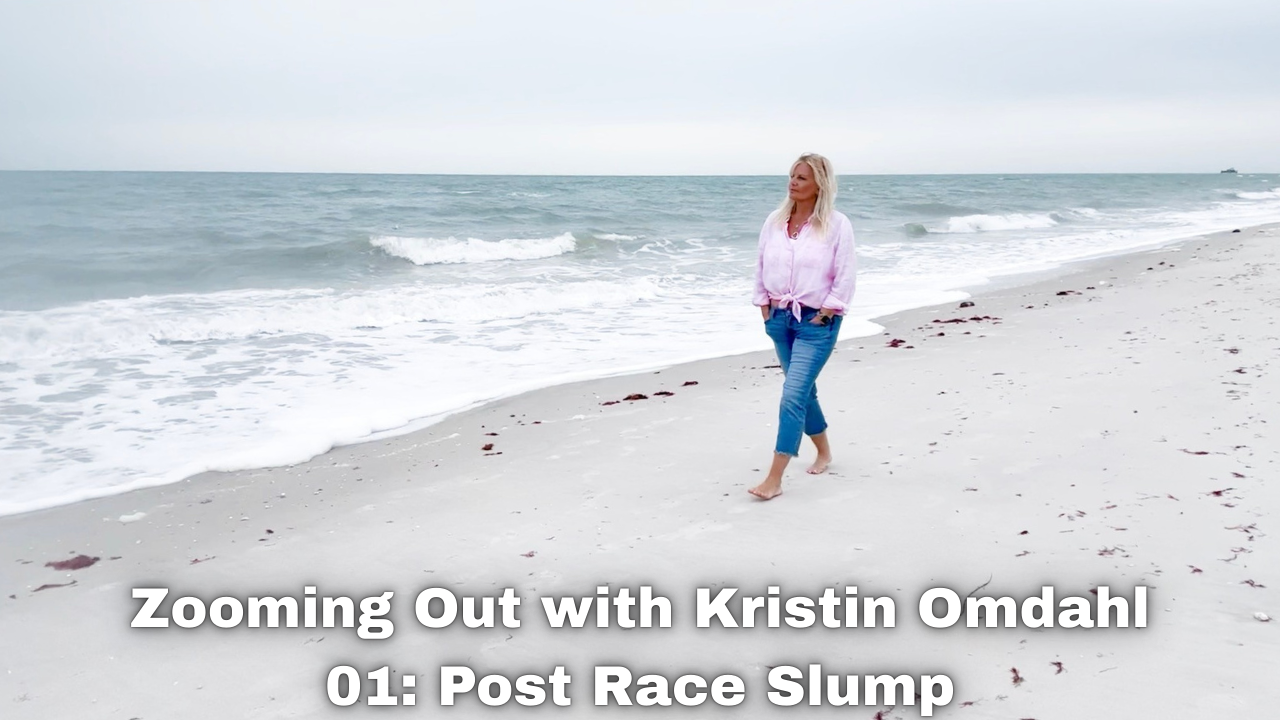
Zooming Out: Navigating the Post-Race Slump (and Other Life Transitions)
Jan
When I signed up for a half marathon, I knew it would require commitment. Weeks of training. Early mornings and late nights after work. Long runs when motivation would have been easier to skip. Mental discipline. Physical recovery. Quiet determination.
Crossing the finish line felt meaningful — not because of the time on the clock, but because I followed through. At 53, that mattered to me. It wasn’t about proving anything to anyone else. It was about keeping a promise to myself.
And yet, in the days that followed, I didn’t feel the rush I expected.
Instead of pride or excitement, I felt oddly flat.
That feeling caught me off guard. I had done the work. I had finished the race. I had reached the goal. So why did everything feel… quiet?
At first, I assumed it was just physical exhaustion. But as the soreness faded, the emotional flatness lingered. And that’s when I realized something important:
This wasn’t just about running.
I’ve felt this same sensation at other points in my life — after completely different kinds of milestones.
After publishing one thousand knit and crochet patterns.
After recording and releasing my thousandth podcast.
After gaining my 100,000th subscriber.
After reaching major creative benchmarks that once felt impossibly far away.
After finishing long seasons of intense focus and output.
Each time, I expected celebration or clarity. Each time, what came instead was a kind of stillness.
Looking back, I can see the pattern clearly.
When something gives your life structure — a goal, a role, a routine, a season that organizes your days and your energy — and that structure ends, the nervous system doesn’t immediately rejoice.
It goes quiet.
That quiet can feel unsettling. It can show up as restlessness, lack of motivation, emotional numbness, or a vague sense of being unmoored. Many people interpret this as failure or dissatisfaction. Others assume it means the goal wasn’t worth pursuing in the first place.
But that’s rarely true.
What’s often happening is something much simpler and much more human:
the framework that held your life together has dissolved, and your system hasn’t reorganized yet.
This experience isn’t limited to races or creative work.
People experience this same post-goal slump after:
-
finishing a long project or degree
-
launching (or closing) a business
-
sending a child off to college
-
retiring or changing careers
-
completing a caregiving role
-
ending or redefining a relationship
-
reaching a long-anticipated milestone and asking, Is this it?
Psychologists sometimes call this post-goal depression or post-achievement letdown. In midlife, it can feel especially pronounced, because milestones tend to carry more emotional weight. They aren’t just achievements — they’re identity markers.
When the structure disappears, it can feel like a loss, even when the outcome was positive.
What we don’t talk about enough is the space that comes after.
We talk about setting goals.
We talk about discipline and consistency.
We talk about pushing through resistance.
But we rarely talk about the in-between — the period after something meaningful ends and before something new takes its place.
That space can feel uncomfortable because it’s undefined. There’s no schedule. No training plan. No clear next step. And in a culture that rewards momentum, stillness can feel like something is wrong.
But stillness isn’t failure.
It’s transition.
When I zoom out, I can see that these quieter periods have always preceded some form of reinvention — not because I forced change, but because I allowed clarity to arrive on its own timeline.
That’s what I’m learning to do now.
Instead of rushing to fill the gap, I’m practicing kindness toward myself. Not productivity. Not urgency. Just awareness. Letting the old structure fully dissolve before deciding what deserves to come next.
If you’re feeling flat after reaching a goal, whether it was physical, creative, professional, or deeply personal, I want you to know this:
You’re not broken.
You’re not behind.
You’re not unmotivated.
You’re in between.
And being in between doesn’t require immediate answers. It doesn’t require a new plan right away. Sometimes it simply asks for patience and perspective.
This reflection is part of a new series I’m calling Zooming Out — conversations about transitions, identity shifts, and reinvention, especially in midlife, when life has already taught us that meaning isn’t linear.
xoxo, Kristin
👇 You can watch the full video reflection here:
About Kristin Omdahl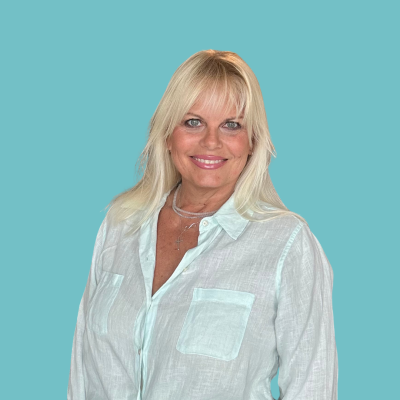 Kristin Omdahl is a bestselling author, designer, and creative entrepreneur known for her “sensory storytelling” — weaving food, craft, and nature into unforgettable fiction and non-fiction. Her debut novel, The Sea Glass Journal, is a love letter to Florida’s Gulf Coast, exploring themes of healing, connection, and creative legacy.
